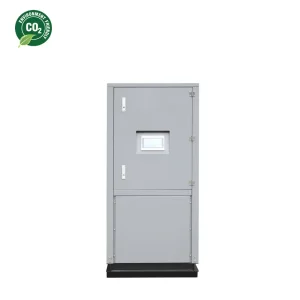
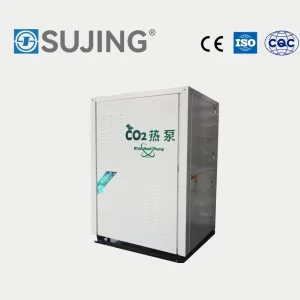
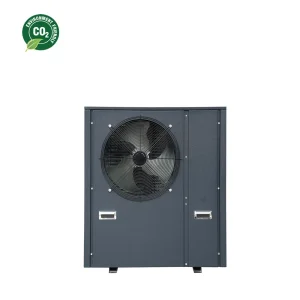
Discover our core range of high-efficiency CO₂ (R744) heat pumps, specifically engineered to deliver exceptional thermal recovery capabilities, robust COP coefficients, and unmatched environmental compliance for equatorial climates.
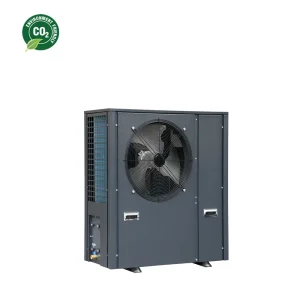
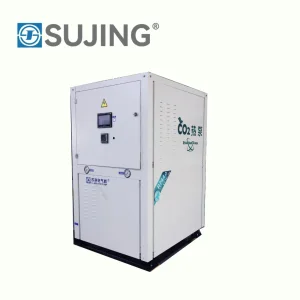
Equatorial Guinea, located in the heart of Central Africa, possesses one of the continent's most dynamic fossil energy profiles, driven by its extensive offshore oil and gas developments on Bioko Island and the Rio Muni mainland. However, as the global energy landscape changes rapidly and the domestic economy targets diversification, the country faces a critical transition toward optimizing resource efficiency and energy conservation under its strategic national framework.
In manufacturing hubs like Malabo and port complexes in Bata, heavy reliance on diesel-fueled generator sets for thermal energy leads to high operating expenses and significant carbon footprints. Simultaneously, processing industries—including natural gas liquefaction, petroleum refining, timber mills, food and beverage processing, and cold storage—generate vast quantities of unrecovered thermal energy. Introducing high-performance industrial waste heat recovery heat pumps represents a major opportunity to capture low-temperature waste streams (ranging from 30°C to 50°C) and upgrade them to process heat (up to 90°C), reducing overall fuel consumption and operating costs.
Operating in Equatorial Guinea requires equipment designed for tropical environments. The local climate features high relative humidity, elevated wet-bulb temperatures, and aggressive marine air. Standard heat pumps struggle to maintain efficiency under these conditions. PeakWay's customized high-temperature R744 (CO₂) transcritical systems are engineered to thrive in tropical climates, providing stable cooling loops and high-temperature utility water without thermal derating.
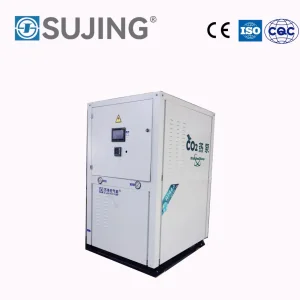
CO₂ (R744) is a natural refrigerant with a Global Warming Potential (GWP) of 1 and an Ozone Depletion Potential (ODP) of 0. This bypasses regulatory restrictions placed on synthetic F-gases like R410A or R134a.
Operating in a transcritical state allows CO₂ to reject heat over a wide temperature range without condensing. This aligns with water-heating profiles, minimizing heat-exchanger pinch-point losses.
These systems generate hot process water up to 90°C while simultaneously supplying chilled water for HVAC or refrigeration loops, optimizing overall site energy efficiency.
Standard subcritical heat pumps are limited by the critical temperature of synthetic refrigerants. This makes it difficult to produce hot water above 65°C without high pressure risks and drop-offs in efficiency. R744 transcritical technology operates above the critical point (31.1°C, 73.8 bar), utilizing high-pressure gas coolers to optimize energy transfers. This approach is highly effective for heavy processes that require high temperatures, such as bottle washing, sterilization, and pulp processing in equatorial climates.
The adoption of industrial heat pumps is growing rapidly, driven by international efforts to reduce industrial carbon footprints. Under Scope 1 emissions protocols, multinational enterprises operating in Sub-Saharan Africa must phase out fossil-fuel boilers. Transitioning from gas burners or diesel steam generators to waste heat recovery heat pumps helps achieve these corporate decarbonization targets.
Global procurement teams prioritize reliability, long-term performance stability, and comprehensive service. Procurement metrics focus on:
| Technology System | Refrigerant Option | Max Outlet Temp | Operational COP (WHR) | Equatorial Suitability |
|---|---|---|---|---|
| PeakWay Transcritical CO₂ | R744 (Natural) | 90°C - 95°C | 3.8 - 4.8 | Excellent (High Ambient Optimized) |
| Standard High-Temp System | R134a (HFC) | 75°C | 2.8 - 3.2 | Moderate (F-Gas Phase-out Risk) |
| Conventional Low-GWP System | R32 (A2L) | 60°C | 3.0 - 3.5 | Moderate (Flammability Risk limits indoor installations) |
Zhejiang PeakWay Pump Co., Ltd. specializes in the research, development, manufacturing, and application of high-performance air source heat pump systems. As a recognized manufacturer in China’s heat pump sector, PeakWay is known for its strong technical capabilities and continuous innovation.
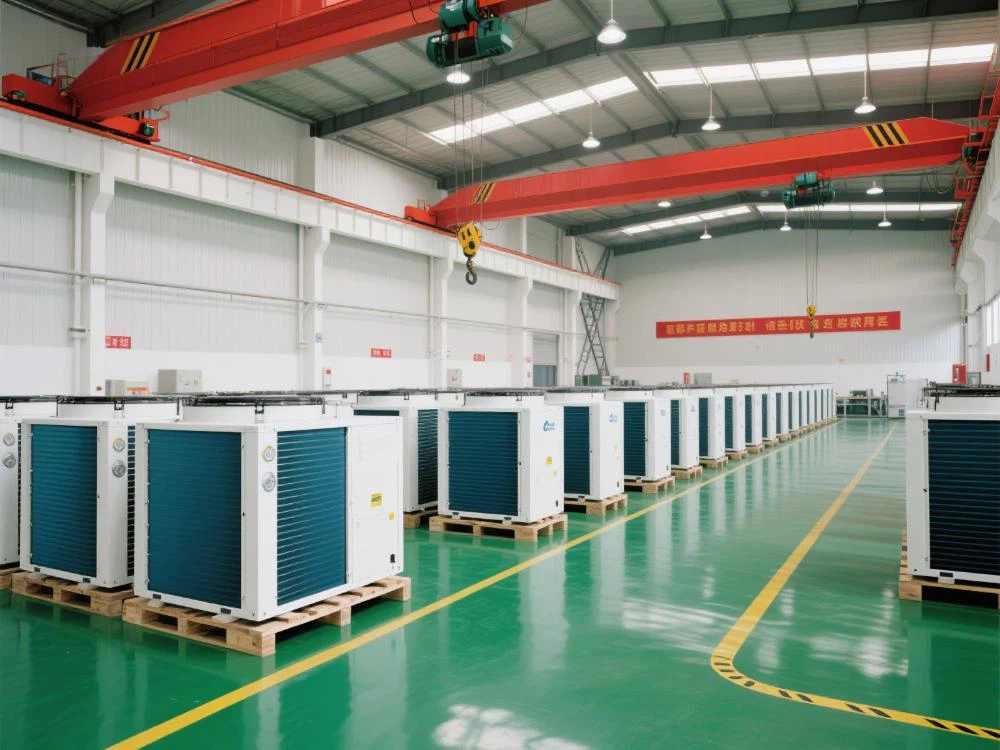
PeakWay operates modern manufacturing facilities equipped with intelligent heat pump production lines. By adopting standardized, automated assembly processes along with strict quality control, PeakWay ensures consistent product performance. The company adheres to international quality standards as well as national and industry regulations, striving to achieve near zero-defect manufacturing.
In terms of quality assurance, PeakWay has obtained ISO 9001:2015 Quality Management System certification and ISO 45001 Occupational Health and Safety Management System certification. The company is equipped with advanced testing capabilities for extreme conditions, including low-temperature and high-humidity performance testing. Its products have repeatedly passed authoritative inspections, demonstrating excellent stability and durability.
Through China's advanced logistics networks, PeakWay ensures stable delivery pipelines. We provide direct shipping routes from Ningbo or Shanghai ports directly to Malabo and Bata, ensuring secure delivery of critical capital equipment to our Central African partners.
Petrochemical facilities on Bioko Island generate significant quantities of low-temperature waste heat from compressor jackets and steam condensate. Integrating PeakWay's R744 systems allows plant operators to capture this thermal energy, raising its temperature to generate process steam or high-temperature wash water for oil-water separation tanks. This reduces the fuel consumption of onsite boilers.
Equatorial Guinea's coastal fisheries require substantial thermal energy for cooking, sterilization, and cleaning, alongside intensive refrigeration for freezing catch. Our transcritical CO₂ heat pumps operate in a combined mode, delivering low-temperature refrigeration for cold storage while upgrading the recovered heat to supply 85°C hot water for canning lines.
In mainland Rio Muni, timber processing is a key economic driver. PeakWay's high-temperature drying heat pumps provide controlled, energy-efficient drying for hardwoods. By optimizing dehumidification cycles and heat recovery, our systems lower energy usage per cubic meter of timber dried, protecting wood quality from thermal shock.
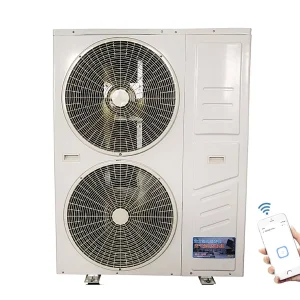
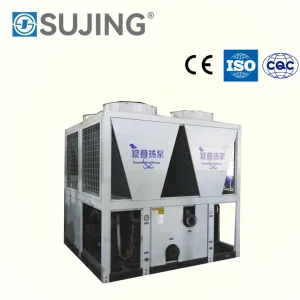
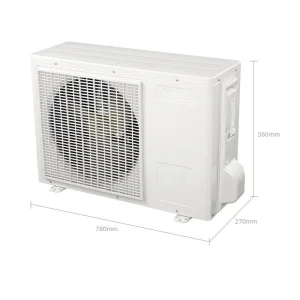
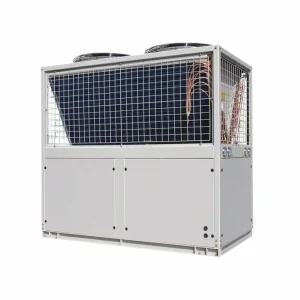
Browse our comprehensive selection of high-temperature air-source, water-source, and swimming pool heat pump systems designed for commercial, residential, and industrial applications.


Ready to optimize your industrial waste heat recovery process, reduce fossil fuel reliance, and lower operational expenses? Contact PeakWay's engineering team for customized solutions tailored to Equatorial Guinea's climate.
Send Inquiry Now PeakWay Pump