Swimming pool heat pumps are vital for maintaining comfortable water temperatures. However, many pool owners face challenges with efficiency. A common question arises: "why is my swimming pool heat pump not heating?" According to industry expert Dr. Jane Caldwell, “Poor performance often roots from simple issues like improper sizing or maintenance neglect.”
Issues can include air flow problems, dirty filters, or faulty thermostats. A heat pump relies on a balanced system, where each component plays an essential role. If one part fails to operate optimally, the entire unit struggles to heat effectively. Pool owners must consider these aspects for peak performance.
Understanding heating inefficiencies involves a deeper look at operational conditions. Regular checks on the heat pump can reveal hidden problems. Addressing these can sometimes feel overwhelming. Yet, taking the time for maintenance is crucial. Awareness of potential pitfalls can foster a more reliable swimming experience.
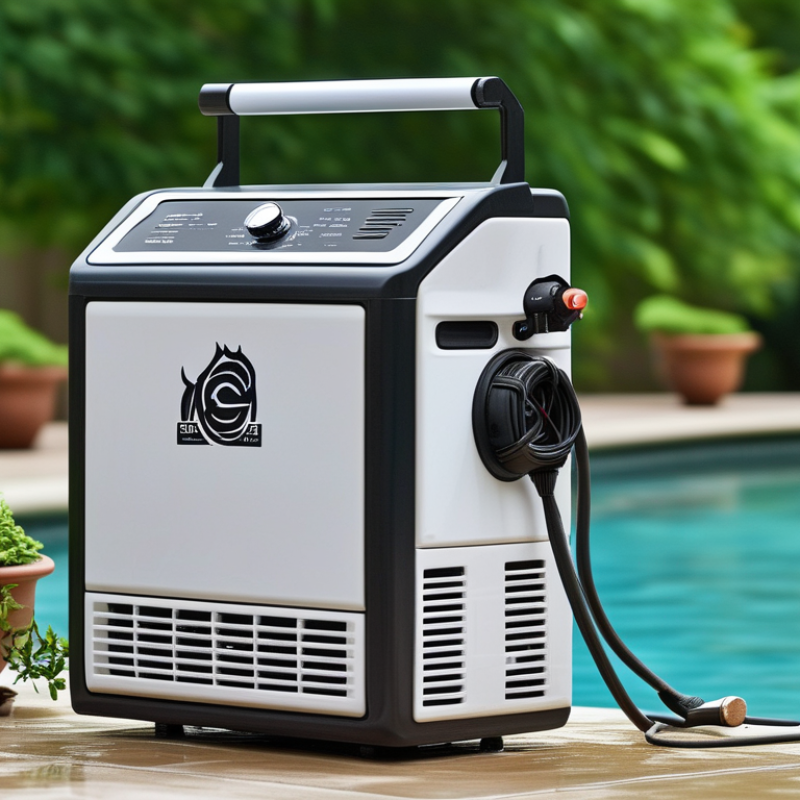
Common Reasons for Inefficient Heating in Pool Heat Pumps
When a swimming pool heat pump fails to heat efficiently, several factors could be at play. First, check the water temperature setting. Users often overlook the thermostat, leading to frustration. A simple adjustment can sometimes solve the problem instantly.
Another common issue stems from inadequate circulation. Dirty filters or clogged pipes can restrict water flow. Make sure to clean or replace filters regularly. Blocked lines should also be examined. Remember, clear circulation helps maintain optimal heat transfer.
Tips: Regular maintenance is crucial. Schedule checks at the start of the pool season. Monitoring your pump’s surroundings helps eliminate leaves or debris that can affect performance.
Next, consider the heat pump's age. Older models may lose efficiency over time. Newer technology has improved energy usage. If your pump is over a decade old, it may be time to think about replacement.
Tips: Keep an eye on electricity bills. If costs are rising without additional use, your heat pump may not be operating efficiently.
In conclusion, understanding these inefficiencies can enhance your pool experience. Regular assessments and small adjustments can make a significant difference. Don’t hesitate to reach out for expert help when needed.
Signs Your Heat Pump Is Underperforming
When your swimming pool heat pump fails to maintain optimal temperatures, it significantly affects enjoyment and efficiency. Notably, one key sign of underperformance is inconsistent water temperatures. A well-functioning heat pump should deliver water within a 2-5 degree range of your desired temperature. If you notice fluctuations beyond this, it’s time to investigate further.
Another important indicator is rising energy bills. According to the U.S. Department of Energy, a properly maintained heat pump can reduce energy costs by up to 50% compared to traditional heating methods. If your monthly bills suddenly spike, the heat pump may be working harder, possibly due to a refrigerant leak or ineffective airflow. These issues not only waste energy but can lead to more costly repairs if left unchecked.
Poor airflow is also a telltale sign. Check for dirt or debris obstructing the coils or filters. Regular maintenance can help ensure proper airflow and optimal performance. Also, listen for unusual sounds. Uncommon noises might indicate mechanical problems. Paying attention to these subtle cues can lead to timely interventions, preserving both efficiency and comfort in your pool experience.
How Temperature and Weather Affect Heat Pump Efficiency
Temperature and weather significantly impact the efficiency of swimming pool heat pumps. When outdoor temperatures drop, heat pumps struggle to extract heat from the air. They rely on warmth in the environment to operate efficiently. Low ambient temperatures can lead to a reduction in the heat pump's performance. In colder months, it may take much longer to heat the pool.
Humidity also plays a vital role. High humidity means there is more moisture in the air for the heat pump to extract heat from. Dry conditions can hamper its ability to function effectively. If the heat pump is not maintaining the desired temperatures, consider checking the weather conditions. Poor weather might mean more frequent adjustments are needed.
It's also essential to reflect on your heat pump's location. If it's placed in a shaded area, you may limit its efficiency. Increased wind exposure can also impact performance negatively. Monitoring these environmental factors is key to optimizing heating. Regular maintenance and awareness can prevent unnecessary frustration.
Heat Pump Efficiency Based on Temperature
This chart illustrates how the efficiency of swimming pool heat pumps varies with outside temperature. As the temperature increases, the efficiency of the heat pump generally improves, reaching peak performance around 80°F.
Maintenance Tips to Improve Heat Pump Performance
Pool heat pumps require regular maintenance for optimal performance. A well-maintained heat pump can be up to 20% more efficient. According to the U.S. Department of Energy, inefficient heating is often caused by neglect and improper upkeep.
One crucial tip is to regularly check the air filter. A dirty filter can restrict airflow, leading to less efficient heating. Clean or replace the filter every month during the swim season. Always ensure that the surrounding area is clear of debris. Leaves and branches can block airflow, affecting heat exchange significantly.
Another important aspect is monitoring the refrigerant levels. Low refrigerant can cause the system to work harder, wasting energy. Schedule annual professional inspections to keep refrigerant at optimal levels. This practice not only helps with efficiency but also extends the lifespan of your heat pump. Addressing these common maintenance issues can lead to noticeable improvements in heating performance.
Why Is My Swimming Pool Heat Pump Not Heating Efficiently? - Maintenance Tips to Improve Heat Pump Performance
| Issue |
Description |
Maintenance Tip |
Frequency |
| Low Refrigerant Levels |
Insufficient refrigerant can hinder heat exchange, reducing efficiency. |
Check for leaks and recharge the refrigerant. |
Annually |
| Dirty Filters |
Clogged filters restrict airflow, impacting performance. |
Clean or replace filters regularly. |
Monthly |
| Incorrect Thermostat Settings |
Improper settings can lead to inefficient heating. |
Verify that the thermostat is set correctly. |
As needed |
| Poor Water Circulation |
Ineffective circulation can cause uneven heating. |
Ensure the pump and jets are functioning properly. |
Monthly |
| Heat Exchanger Issues |
Scale buildup can reduce efficiency significantly. |
Inspect and clean the heat exchanger regularly. |
Biannually |
When to Call a Professional for Heat Pump Issues
When dealing with your swimming pool heat pump, knowing when to call a professional can save you time and money. If the pump is not heating efficiently, it could be due to several factors, including improper installation or insufficient maintenance. According to the Swimming Pool and Spa Association, nearly 30% of heat pump issues stem from neglected annual service. Regular maintenance is crucial for optimal performance and longevity.
If you notice strange noises or fluctuating temperatures, these could be red flags. Pool heat pumps should operate quietly and maintain a steady water temperature. Ignoring these signs may lead to more serious problems down the line. In fact, the U.S. Department of Energy highlights that early detection of issues can improve energy efficiency by up to 25%.
Tips: Consider scheduling an annual inspection. Also, keep the surrounding area clean and free of debris. These simple steps protect your investment and enhance efficiency. Trust the experts when the issues become complex. A professional will accurately diagnose and address any concerns you may have. Remember, timely intervention prevents costly repairs and promotes a healthier swimming environment.
Conclusion
If you're wondering why is my swimming pool heat pump not heating efficiently, several factors could be at play. Common reasons for inefficient heating include inadequate airflow, low refrigerant levels, and dirty filters. Signs that your heat pump is underperforming can range from fluctuating water temperatures to increased energy bills. It's also important to note that external temperature and weather conditions can significantly impact the efficiency of your heat pump.
To improve your heat pump's performance, regular maintenance is crucial. This includes cleaning filters, ensuring proper airflow, and scheduling annual professional check-ups. If you've tried these maintenance tips and still face issues, it may be time to call a professional for a thorough inspection. Understanding these elements can help you address heating problems effectively and ensure your pool remains at a comfortable temperature year-round.

 PeakWay Pump