In the industrial sector, efficient washing processes are critical for maintaining equipment and ensuring product quality. High temperature heat pumps (HTHPs) have emerged as a compelling solution. These systems provide significant energy savings, with some reports indicating reductions in energy consumption by up to 50% compared to traditional methods. This raises the question: why use a high temperature heat pump for industrial washing?
HTHPs offer the ability to reach temperatures as high as 90°C, which enhances cleaning effectiveness. This is particularly important in industries like food processing and pharmaceuticals, where stringent hygiene standards are paramount. Additionally, HTPHs contribute to reduced carbon footprints, making them a sustainable choice. A recent study highlighted that industries utilizing HTPHs have seen a 30% decrease in greenhouse gas emissions.
However, transitioning to high temperature heat pumps demands careful consideration. Initial investment costs can be high, and long-term savings depend on consistent usage. Organizations need to analyze their specific needs and usage patterns. This reflection is crucial to fully leverage the advantages of HTHPs in industrial washing. Overall, the potential benefits are substantial and warrant further exploration.
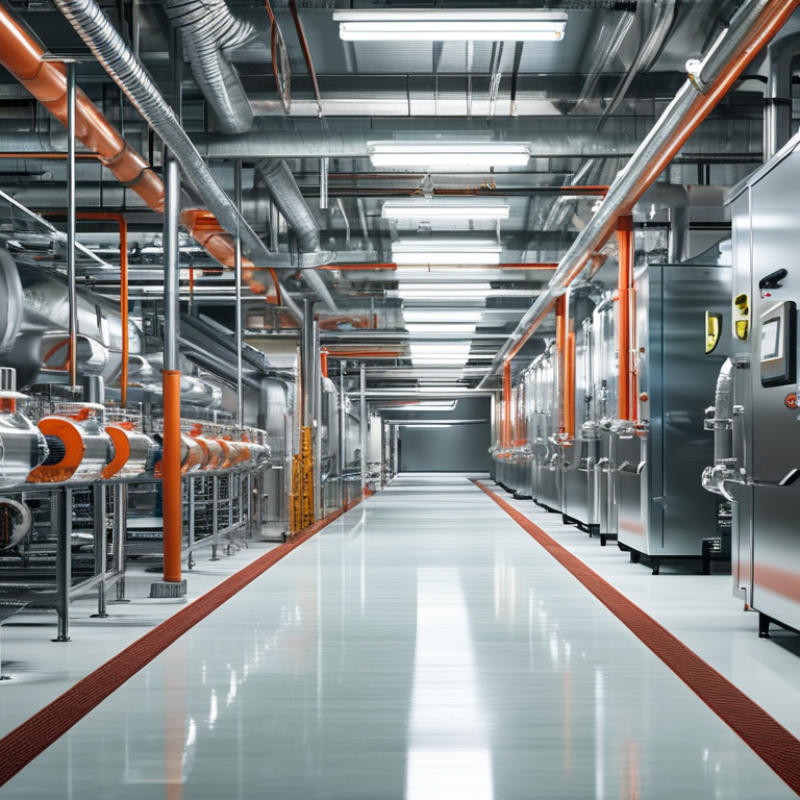
High temperature heat pumps are revolutionizing industrial washing processes. These pumps operate efficiently at temperatures above 80°C, making them ideal for applications that require thorough cleaning. According to a recent study by the International Energy Agency, implementing high temperature heat pumps can reduce energy consumption by up to 40% compared to conventional systems.
One significant benefit is the improved sustainability they offer. By utilizing waste heat recovery, these pumps not only decrease energy use but also minimize carbon emissions. A report from the European Commission highlights that these systems can cut down operational costs significantly over time. This is increasingly important as industries face pressure to meet stricter environmental regulations.
Tips: Regular maintenance is key for efficient operation. Neglecting minor issues can lead to bigger problems down the line. Also, consider the integration of these heat pumps with existing systems for optimized performance. Ensure your workforce is trained on best practices to maximize the benefits of this technology.
| Feature | Description | Benefit |
|---|---|---|
| Energy Efficiency | High temperature heat pumps utilize energy from renewable sources. | Lower energy costs and reduced carbon footprint. |
| Versatility | Can be used for various industrial washing applications. | Adaptability to different cleaning processes and requirements. |
| Higher Temperatures | Capable of reaching and maintaining high wash temperatures. | Effective removal of tough stains and sanitization. |
| Reduced Water Usage | Efficient systems minimize water consumption. | Decreased operating costs and environmental impact. |
| Maintenance | Modern designs feature low-maintenance components. | Less downtime and lower maintenance costs. |
| Reliability | Proven technology with robust performance. | Consistent results and improved operational efficiency. |
: They are primarily used for industrial washing applications, raising water temperatures above 70°C for effective cleaning.
Studies suggest that higher wash temperatures can enhance detergent effectiveness by up to 30% in certain scenarios.
These systems can reduce energy consumption by 20-50% compared to traditional heating methods, leading to cost savings.
They undergo rigorous testing for reliability, but maintenance issues can occur. Regular inspections are necessary.
Initial installation costs can be a deterrent. Some users report longer wash cycles, prompting a review of processes.
Not all facilities benefit equally. Industry nuances can impact their effectiveness, requiring careful consideration.
Yes, transitioning to heat pump technology may require staff to adapt and learn new processes.
Companies should weigh potential downtime and maintenance against the benefits of long-term efficiency and cost savings.
Concerns about installation costs and operational discrepancies may cause hesitation in adopting this technology.
Observing discrepancies in wash cycles can prompt a critical review of their operational methods in light of new technology.
High temperature heat pumps have become a pivotal choice in industrial washing due to their numerous benefits. These systems offer superior energy efficiency and significant cost savings compared to traditional heating methods. By operating at higher temperatures, they enhance the washing process, ensuring cleaner and disinfected results. Industries can not only reduce operational costs but also minimize environmental impact through reduced energy consumption and lower greenhouse gas emissions.
In addition to their energy efficiency, high temperature heat pumps boast key features that make them suitable for various industrial applications. Their versatility allows for seamless integration into existing systems, while their ability to produce hot water consistently makes them ideal for demanding washing tasks. By evaluating the advantages of high temperature heat pumps against traditional heating methods, it becomes clear why use a high temperature heat pump for industrial washing is a forward-thinking decision that aligns with both economic and ecological goals.

 PeakWay Pump