When homeowners face the perplexing issue of "why is my heat pump blowing cold air in heat mode," it can be quite frustrating. According to HVAC expert Dr. Emily Carter, “Understanding the internal mechanics of your heat pump is crucial for effective troubleshooting.” Heat pumps are designed to provide warmth in colder months, yet various factors can prevent them from operating efficiently.
Issues such as a faulty thermostat, refrigerant problems, or even blockages in the outdoor unit might lead to unexpected cold air blowing through your vents. Often, the simplest problems can cause significant discomfort. For instance, a dirty air filter can restrict airflow and hinder proper heating. Homeowners should familiarize themselves with these common pitfalls.
Maintaining a heat pump requires awareness and caution. Regular inspections can prevent many issues that lead to cold air. However, some might overlook these preventative measures, resulting in a chilly home. It's important to seek expert advice and reflect on your system's maintenance history. Understanding "why is my heat pump blowing cold air in heat mode" is the first step towards addressing the problem effectively.
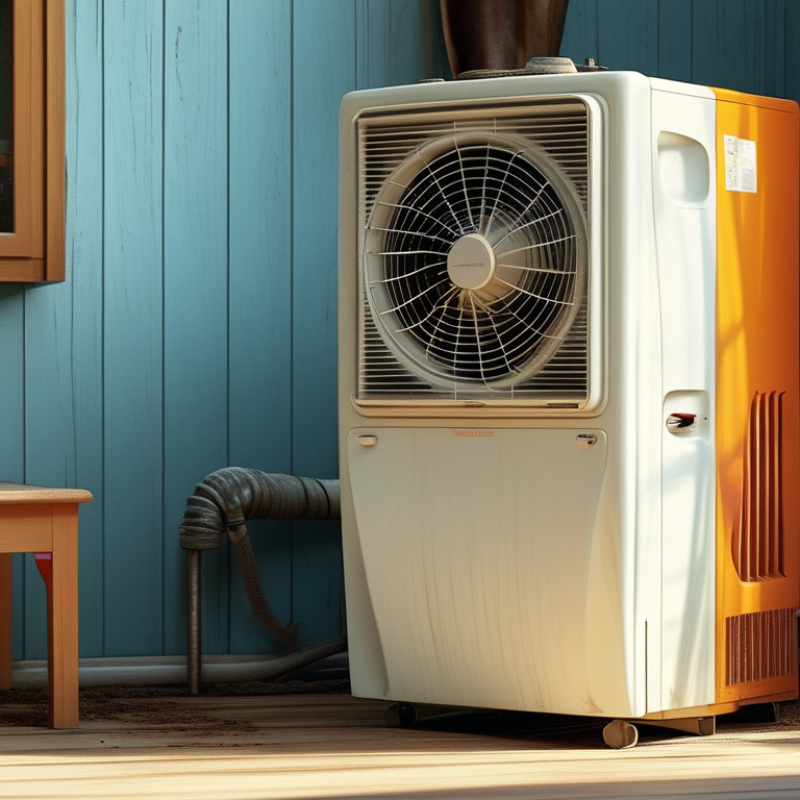
Heat pumps are versatile systems that provide both heating and cooling. They operate by transferring heat rather than generating it. In the winter, they extract heat from the outside air and bring it indoors. In the summer, the process reverses. This dual functionality makes heat pumps an efficient choice for year-round comfort.
However, when a heat pump blows cold air in heat mode, it can cause confusion. This issue may arise from several factors. A common culprit is a dirty air filter. A clogged filter restricts airflow, reducing efficiency. Another reason may be low refrigerant levels due to leaks. Without sufficient refrigerant, the heat pump struggles to heat properly.
Sometimes, a malfunctioning reversing valve could lead to cold air blowing when it shouldn’t. When this valve fails, it can't switch the system between heating and cooling modes effectively. Understanding these potential problems can aid in troubleshooting. Regular maintenance and inspections are essential to ensure optimal functioning. It’s vital to take these issues seriously to avoid larger problems down the road.
This bar chart illustrates the temperature dynamics affecting heat pump efficiency. The outdoor temperature and the heat mode output can affect the comfort levels indoors, as represented by the desired indoor temperature. Understanding these discrepancies helps in troubleshooting heat pump performance issues.
When your heat pump blows cold air in heat mode, it can be frustrating. There are several common reasons for this situation, often tied to technical issues or improper settings. One common culprit is a dirty air filter. A clogged filter restricts airflow, causing your system to struggle. Regular maintenance, including filter changes, is crucial for optimal performance.
Thermostat settings can also cause confusion. Ensure it is set to "heat" and that the temperature is appropriately adjusted. Sometimes, users forget to check these basic settings. If the thermostat is malfunctioning, it may not communicate the correct temperature to the heat pump, leading to cold air being dispersed.
Another potential issue is the outside temperature. Heat pumps operate best in moderate conditions. If it’s too cold outside, the system may struggle to extract enough heat from the outside air. In such cases, supplementary heating might be necessary.
Tip: Regularly inspect your heat pump. Look for frost buildup on the outdoor unit, which can indicate refrigerant issues. If found, consult a professional.
To maintain efficiency, schedule seasonal check-ups for your heat pump. Avoid waiting for problems to escalate. Making small adjustments or repairs can save you time and money in the long run.
Experiencing cold air from your heat pump in heat mode can be frustrating. Diagnosing the issue requires a systematic approach. First, check the thermostat settings. A malfunctioning thermostat could cause improper temperature readings. Studies show that around 25% of heating issues stem from incorrect thermostat configurations.
Next, inspect the outdoor unit. If it’s blocked by snow or debris, airflow is restricted. This can reduce efficiency significantly, with some reports indicating a 15% loss in heating capacity. Additionally, ice buildup on the coils could indicate low refrigerant levels. Low refrigerant not only hinders heating but also risks compressor damage if not addressed quickly.
Examine the air filters. Clogged filters can disrupt airflow and hinder heating efficiency. Regular maintenance of filters is crucial. According to industry analysis, neglecting filter changes can decrease system efficiency by up to 20%. Performing these checks can illuminate underlying problems, though some issues may require professional assessment for resolution.
Many homeowners face the frustration of a heat pump blowing cold air while in heat mode. Understanding the common reasons behind this can help in troubleshooting. A dirty air filter can obstruct airflow, leading to insufficient heating. It's advisable to check and replace filters regularly to ensure optimal performance.
Another factor might be the outdoor unit. If it’s covered in ice or debris, it won’t operate efficiently. Take a moment to inspect for any visible issues. Clear away any obstruction or ice build-up. Also, ensure the thermostat is set correctly. Sometimes, a simple mistake in settings can lead to confusion and cold air.
If you've done these checks and the problem persists, it may require professional help. There could be issues with the refrigerant levels or mechanical components. Remember, even detailed troubleshooting can miss hidden problems. Don’t hesitate to call a technician for assistance.
When dealing with a heat pump that is blowing cold air in heat mode, it's essential to know when to call a professional. While some issues may seem minor, they could indicate a more significant problem. If the air blowing from your heat pump is consistently cold, it's time to reassess your situation.
Tips: Look for ice buildup on the coils. This can drastically affect performance. Also, check the thermostat settings; a simple adjustment might solve the problem.
For more complex issues, such as unusual noises or error codes, contacting a qualified technician is advisable. They have the expertise to diagnose the issue accurately. Attempting to fix certain problems yourself may lead to further damage.
Tips: Schedule regular maintenance for your heat pump. This can help prevent unexpected breakdowns and prolong the unit's lifespan. Remember, proactive care is often more economical than reactive repairs.
: Common reasons include a dirty air filter, incorrect thermostat settings, or outside temperatures being too low.
A clogged filter restricts airflow, making the system struggle to heat effectively. Regular maintenance is essential.
Ensure it is set to "heat" and verify the temperature. Malfunctioning thermostats can cause cold air to blow.
If it's too cold outside, the heat pump may struggle to extract heat. Supplementary heating may be needed in these situations.
Frost on the outdoor unit may indicate refrigerant issues. It's crucial to consult a professional if this occurs.
Ice can indicate low refrigerant levels and could damage the compressor. Check immediately to prevent further issues.
Regular seasonal check-ups can identify small issues before they escalate. It saves time and money over the long term.
If the air is consistently cold or if you hear unusual noises, a technician should diagnose the problem.
Attempting to fix complex problems can cause further damage. It's often better to seek professional help.
Regular maintenance and proactive care can prevent unexpected breakdowns and promote efficiency.
If you've ever found yourself wondering, "why is my heat pump blowing cold air in heat mode," you’re not alone. This common issue can arise from several factors, including malfunctioning thermostats, dirty filters, or even low refrigerant levels. Understanding how heat pumps work is essential; they extract heat from the outside air and transfer it indoors, and any disruption in this process can lead to insufficient heating.
To diagnose the issue, begin by checking the thermostat settings and replacing any dirty air filters. If problems persist, further troubleshooting may be necessary, such as inspecting the ductwork or verifying the refrigerant charge. In cases where the problem remains unresolved, it may be time to call a professional for dedicated heat pump service. By following these steps, you can better understand and address the reasons behind your heat pump's underperformance.
PeakWay Pump