Why is EVI Technology Crucial for Low Temperature Heating?

Time:2026-05-07 Author:Henry
0%

EVI technology is essential for low-temperature heating, addressing the growing demand for efficient energy solutions. Dr. Emily Carter, a leading expert in thermal management systems, emphasizes its significance: “EVI technology optimizes efficiency, enabling heat pumps to operate effectively in colder climates.”

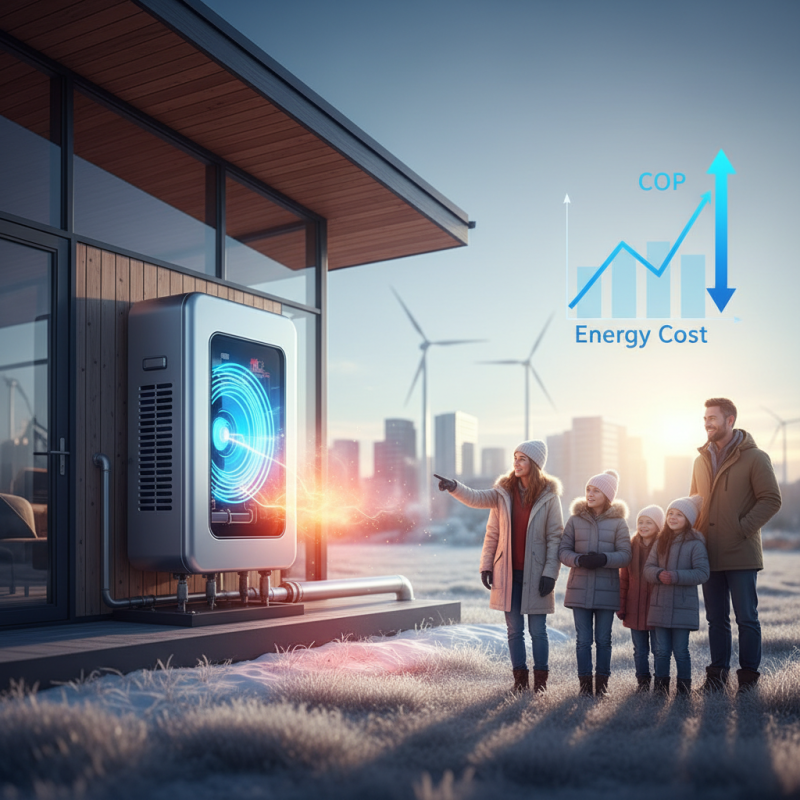
This technology utilizes a sophisticated process that enhances heating performance. It allows heat pumps to extract energy from the environment even at low temperatures. The improved coefficients of performance (COP) translate to lower energy costs for consumers. Communities and businesses benefit significantly from reduced heating bills and less environmental impact.

However, the transition to EVI technology is not without challenges. Some existing systems may require upgrades to fully harness its potential. The industry must address these obstacles carefully, ensuring that the benefits outweigh the initial investments. This reflection is vital to understand why EVI technology is important for low temperature heating and its role in building a sustainable future.
Why is EVI Technology Crucial for Low Temperature Heating?

EVI Technology: An Overview of Its Functionality and Benefits

EVI technology stands for Enhanced Vapor Injection. It is essential for low-temperature heating systems. This innovative approach enhances the efficiency of heat pumps. By using vapor injection, these systems can function effectively even in colder climates. Many regions experience extreme temperatures. Traditional heat pumps struggle, while EVI technology excels.

The core benefit of EVI is its ability to boost performance. It maintains higher heating capacities than standard models. This results in more reliable warmth during winter. Users benefit from lower energy costs too. Although it sounds promising, not all installations reflect optimal results. Inadequate design can lead to inefficiencies. Even experienced engineers can face challenges with EVI setups.

Reliability is a significant concern. Consumers should research before adopting this technology. Understanding local conditions is crucial. Each home presents unique thermal dynamics. This applies especially in rural areas with extreme weather. Adapting EVI systems requires thoughtful planning. Missteps can undermine functionality, leading to disappointment. Overall, EVI technology shows great promise, but caution is advised.

Importance of Efficient Heating Systems in Low Temperature Environments

Efficient heating systems play a vital role in low-temperature environments. As temperatures drop, maintaining a comfortable indoor climate becomes a challenge. Traditional heating methods often struggle to perform effectively. This underscores the importance of advanced technologies like EVI (Enhanced Vapor Injection) technology. It allows systems to operate efficiently even in the coldest conditions.


Tips: Consider your insulation. Well-insulated spaces retain heat better, reducing heating costs. Regular maintenance of heating systems also enhances efficiency. A minor issue can lead to significant energy waste.


The capacity to adapt to varying temperature conditions is crucial. EVI technology provides precise control, ensuring consistent warmth. This capability not only improves comfort but also minimizes energy consumption. It’s essential to be mindful of the systems we choose. Some may not be designed for extreme conditions.


Tips: Invest in smart thermostats. They optimize heating schedules based on occupancy and preferences. This technology can lead to substantial energy savings. Furthermore, keeping windows and doors sealed can prevent heat loss.


In summary, the integration of efficient heating solutions is essential for comfort in cold climates. By emphasizing innovation and mindful habits, we can create a more sustainable heating future.

Mechanisms of EVI Technology in Enhancing Heating Efficiency

EVI (Enhanced Vapor Injection) technology plays a vital role in low-temperature heating systems. It focuses on efficiently extracting heat from the environment, even under challenging conditions. The key mechanism involves optimizing refrigerant flow, which enhances heat transfer rates. This allows systems to deliver warmth reliably, regardless of outside temperatures.

One of EVI’s standout features is its ability to modulate compression ratios. This can improve efficiency by up to 30% compared to traditional methods. As the temperature drops, EVI technology adjusts operations to maintain performance. This adaptability is crucial for heating in various climates. However, effective implementation requires careful design and professional knowledge.

Challenges remain with EVI systems. Installation can be complex, and maintenance may be demanding. Users must be aware of potential issues, such as incompatibility with older systems. Continuous learning and adaptation are essential for optimizing performance. Design flaws or inadequate knowledge could lead to inefficiencies. Recognizing these hurdles can prompt further innovation and improvement in the industry.

Efficiency of EVI Technology in Low Temperature Heating

This chart illustrates the performance of Enhanced Vapor Injection (EVI) technology in low temperature heating applications. It highlights the relationship between temperature, heating efficiency, and energy consumption, showcasing the advantages of EVI technology in enhancing heating efficiency.

Comparison of EVI Technology with Traditional Heating Solutions

EVI (Enhanced Vapor Injection) technology offers significant advantages over traditional heating solutions, particularly in low temperature applications. Traditional systems often struggle to maintain efficiency and comfort when temperatures drop. This can lead to higher energy consumption and increased costs. EVI technology, on the other hand, optimizes the heating process at lower temperatures. It enhances performance without compromising comfort.

One of the main differences is how EVI systems regulate refrigerant flow. This adjustment allows for better heat absorption. Consequently, the system operates efficiently even in colder conditions. Conventional systems may require extensive energy input to achieve the desired output, creating an imbalance. With EVI, the need to ramp up energy consumption is significantly reduced, leading to lower bills.

However, it is essential to acknowledge that EVI technology is not without its challenges. Installation and maintenance can be more complex compared to traditional systems. Homeowners may need specific training or support to operate these advanced systems effectively. While EVI looks promising, there can be a learning curve for those transitioning from older technologies. It's crucial for users to weigh these considerations against potential long-term savings and efficiency gains.

Why is EVI Technology Crucial for Low Temperature Heating? - Comparison of EVI Technology with Traditional Heating Solutions

Heating Solution Efficiency (%) Operating Temperature (°C) Environmental Impact Cost of Installation ($)
EVI Technology 120% -20 to 15 Low 5000
Traditional Heat Pumps 80% -5 to 20 Moderate 4000
Electric Heaters 100% 0 to 30 High 3000

Future Prospects and Innovations in EVI Heating Technology

EVI (Enhanced Vapor Injection) technology plays a vital role in low-temperature heating systems. As energy efficiency becomes increasingly important, EVI technology offers a promising solution. Reports indicate that EVI systems can achieve over over 30% higher efficiency compared to traditional heat pumps. This significant improvement reduces energy consumption and lowers carbon footprints, making it appealing in today's climate-conscious world.

Looking ahead, innovations in EVI technology are expected to enhance performance even further. Researchers are exploring advanced refrigerants that can withstand lower temperatures while maintaining efficiency. This evolution could expand EVI applications into more extreme climates. According to recent studies, such advancements could potentially reduce heating costs by up to 25% in cold regions.

Nonetheless, challenges remain. EVI technology requires precise engineering. The systems can be complex and costly to install. Maintenance practices must evolve to keep up with new designs. As the industry moves forward, addressing these hurdles will be crucial. The focus is on creating reliable systems that don't compromise efficiency. In this fast-paced sector, ongoing research and innovation will define the future of low-temperature heating.

FAQS

: Why are efficient heating systems important in low temperatures?

: They maintain a comfortable indoor climate, which is challenging as temperatures drop.

What is EVI technology?

EVI stands for Enhanced Vapor Injection. It improves heating efficiency in low temperatures by optimizing refrigerant flow.

How does EVI technology improve efficiency?

It can improve heating efficiency by up to 30% compared to traditional methods through better heat transfer.

What role does insulation play in heating efficiency?

Good insulation helps retain heat, which reduces heating costs and improves overall comfort.

Are there challenges in using EVI systems?

Yes, installation can be complex, and maintenance may require specialized knowledge.

How can smart thermostats benefit heating systems?

They optimize heating schedules based on occupancy, leading to significant energy savings over time.

What should users be mindful of with heating systems?

Not all systems are designed for extreme conditions, which can lead to inefficiencies.

What future innovations are expected in EVI technology?

Researchers are exploring advanced refrigerants to improve efficiency in even colder environments.

Can EVI technology reduce heating costs?

Yes, future advancements could lower heating costs by up to 25% in colder regions.

Why is continuous learning important for EVI systems?

Proper implementation and awareness of potential issues are key for optimizing performance and efficiency.

Conclusion

EVI (Enhanced Vapor Injection) technology plays a vital role in low temperature heating by improving the efficiency and effectiveness of heating systems. Its unique mechanism enhances heating performance, making it particularly advantageous in colder environments where traditional heating solutions may struggle. By optimizing energy use, EVI technology not only provides reliable temperature maintenance but also reduces energy consumption, aligning with sustainability goals.

Understanding why EVI technology is important for low temperature heating is critical for advancing energy-efficient practices. As demand for efficient heating solutions continues to rise, innovations in EVI technology promise to further enhance performance and broaden applications, ensuring that heating systems can meet the challenges posed by increasingly variable climate conditions. This positions EVI technology as a crucial component in the future of energy-efficient heating systems.

Henry

Henry

Henry is a dedicated marketing professional with a profound expertise in the company's offerings. With years of experience in the industry, he possesses an impressive understanding of the market dynamics and consumer behaviors that drive success. Henry is committed to sharing his insights through......