What is the Difference Between Air Source and Ground Source Heat Pumps?

Time:2026-07-31 Author:Mason
0%

When exploring home heating solutions, many homeowners consider heat pumps. However, understanding the options is crucial. What is the difference between air source and ground source heat pumps?

Air source heat pumps are designed to extract heat from the outside air. They are often easier to install and less expensive upfront. However, they may be less efficient in very cold temperatures. On the other hand, ground source heat pumps utilize the consistent temperature of the earth. They generally have a higher upfront cost but can offer better efficiency over time. Both systems come with unique advantages and drawbacks.

Choosing between these two types of heat pumps can be challenging. Factors such as your home size, location, and budget play a role. Each system has its own operational characteristics that might better suit your needs. Understanding the core differences helps you make an informed choice for your home's heating solutions.
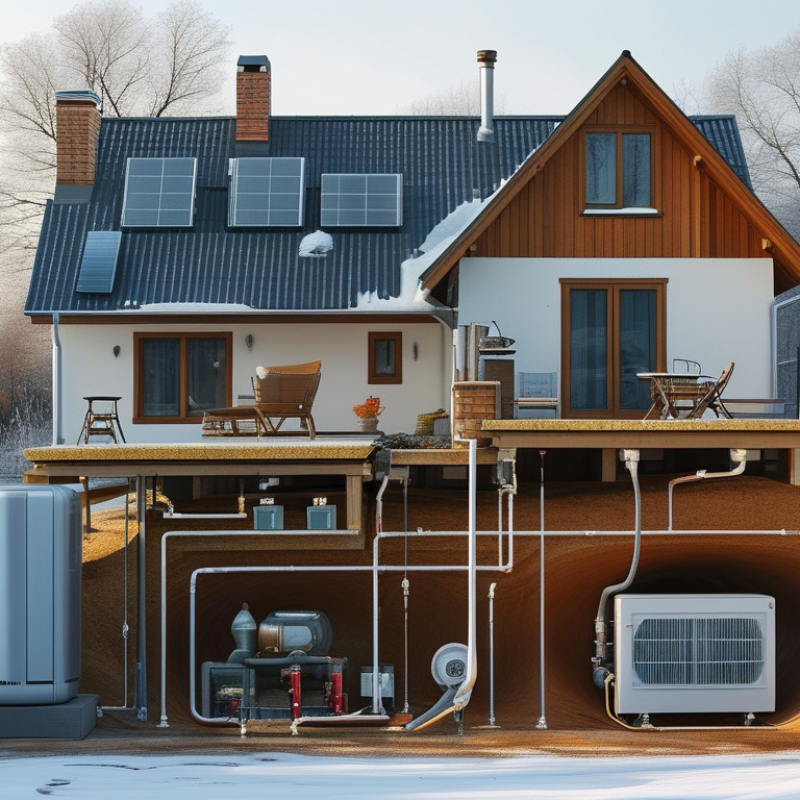
What is the Difference Between Air Source and Ground Source Heat Pumps?

Introduction to Heat Pumps: Definitions and Types

Heat pumps are vital tools for energy efficiency. They transfer heat from one location to another, making homes warmer or cooler. There are two primary types: air source heat pumps (ASHP) and ground source heat pumps (GSHP). According to the U.S. Department of Energy, these systems can reduce energy consumption by up to 50% compared to traditional heating methods.

Air source heat pumps draw heat from the air, working effectively even in cold temperatures. They are easy to install and don’t require extensive ground work. The efficiency of ASHP drops with lower outdoor temperatures, which can be a significant drawback in colder climates. On the other hand, ground source heat pumps utilize the constant temperature of the earth. They require more initial investment and space for installation. However, they are often more efficient over their lifetime, partly due to less fluctuation in temperature.

Different climate zones respond better to either system. In some cases, hybrid solutions that combine both types can be beneficial, providing versatility. Data from the International Energy Agency suggests a growing interest in these technologies, with a projected market increase of 20% in the next five years. Understanding the nuances between ASHP and GSHP is crucial for effective energy management and can help homeowners make informed choices.

Understanding Air Source Heat Pumps and Their Mechanism

Air source heat pumps (ASHP) are a pivotal technology for sustainable heating. They extract heat from the outside air and transfer it into a building. This process operates even in cold weather. ASHPs use a refrigerant that absorbs heat. After compressing this refrigerant, it releases heat indoors.

The efficiency of ASHPs depends on outdoor temperatures. In milder climates, they can be quite effective. However, their performance may drop as temperatures fall. This can lead to higher energy consumption. Homeowners must consider this when selecting heating options. It’s crucial to assess local climate conditions. Understanding their efficiency range helps in making informed decisions.

Installation of ASHP involves placing an outdoor unit and connecting it to the indoor system. Regular maintenance is important for optimal operation; neglect can affect performance. Many people do not realize this. ASHPs require a different approach compared to traditional systems, which may cause confusion. Investing time in understanding this technology pays off in energy savings.

What is the Difference Between Air Source and Ground Source Heat Pumps?

Feature Air Source Heat Pumps Ground Source Heat Pumps
Installation Cost Typically lower Typically higher
Efficiency (COP) 2.5 - 4.0 3.5 - 5.0
Space Requirement Less space required More space required
Climate Suitability Best for moderate climates Efficient in various climates
Maintenance Less maintenance required More maintenance needed
Noise Level Generally noisier Quieter operation
Heat Output Temperature Lower temperature Higher temperature

Exploring Ground Source Heat Pumps and Their Operation

Ground source heat pumps (GSHPs) utilize the Earth's stable temperature to provide heating and cooling. These systems draw heat from the ground in winter and return heat to the ground in summer. They operate using a series of pipes, buried underground, filled with a fluid that absorbs and transfers heat. The installation depth can vary, depending on local geology, which can affect efficiency and costs. Properly designed systems can extract heat effectively, but site-specific evaluations are essential.

The operation of GSHPs is influenced by factors like soil type and water table level. In some areas, rocky or clay soils may limit heat exchange efficiency. Ground loops must be properly sized and installed to ensure optimal performance. Homeowners should consider local climate conditions, as these can affect the heat pump's efficiency significantly. While these systems are known for their reliability, they do require professional assessment for effective implementation.

GSHPs are often seen as a sustainable choice, but they come with challenges. Installation costs can be high, and not all sites are suitable for ground loops. The environmental impact of drilling and laying pipes should also be addressed. Users must weigh the long-term benefits against initial expenses. Exploring different installation methods and potential setbacks is crucial to making informed decisions.

Comparative Analysis of Efficiency and Performance

Air source and ground source heat pumps serve different functions while harnessing renewable energy. Air source heat pumps absorb heat from the outside air. They work efficiently in moderate climates. However, in extreme temperatures, their performance can drop. Ground source heat pumps, on the other hand, utilize the stable temperatures found underground. This makes them more reliable in varying weather conditions.

When analyzing efficiency, ground source systems are often more effective. They generally have a higher coefficient of performance (COP). This means they can deliver more energy than they consume. However, installation costs for ground source systems can be significantly higher. Homeowners should weigh initial expenses against long-term savings in energy bills.

Tips for potential users: Consider your local climate before choosing a system. If you live in an area with severe winters or summers, ground source may be the better choice. Always consult with a professional to evaluate site conditions and energy needs. A thorough assessment can provide insights into which system suits your home best. Additionally, remember that maintenance is key. Regular checks can ensure long-lasting efficiency and performance.

Comparative Efficiency of Air Source vs Ground Source Heat Pumps

This chart compares the coefficient of performance (COP) for air source heat pumps (ASHP) and ground source heat pumps (GSHP) under different temperature conditions. The data illustrates that GSHP generally offers higher efficiency, particularly in colder climates.

Environmental Impact and Cost Considerations for Both Systems

When choosing between air source and ground source heat pumps, environmental impact and cost are critical factors. Air source heat pumps extract heat from the air, while ground source systems draw from the earth. Ground source options typically offer greater efficiency, especially in colder climates. This efficiency can translate into lower energy bills over time. However, the initial installation costs for ground source systems can be significantly higher due to the need for extensive excavation.

Environmental considerations also play a vital role. Air source units are often viewed as more eco-friendly due to their smaller land footprint. Yet, their performance can fluctuate with temperature changes, potentially leading to increased energy consumption. Ground source systems, despite their higher upfront expense, usually operate consistently, reducing greenhouse gas emissions in the long run.

Homeowners must weigh these factors carefully. While air source options may seem cost-effective initially, long-term efficiency is important. Ground source installations require thoughtful planning and investment, calling for reflection on the overall sustainability of the choice. Understanding these nuances can lead to a more informed decision that aligns with both financial and environmental goals.

FAQS

: What is an air source heat pump (

SHP)?

How does temperature affect ASHP efficiency?

Efficiency varies with outdoor temperatures. Milder climates enhance effectiveness, while extreme cold can lead to higher energy use.

How does installation of an ASHP work?

Installation involves placing an outdoor unit. This unit connects to an indoor system for optimal operation.

What maintenance is required for ASHPs?

Regular maintenance is crucial. Neglecting maintenance can lead to reduced performance and higher energy costs.

How do air source and ground source heat pumps differ?

Air source pumps absorb heat from the air. Ground source pumps utilize stable underground temperatures for consistent performance.

Why might ground source heat pumps be more efficient?

Ground source systems have a higher coefficient of performance (COP). They can deliver more energy than they consume.

What are the environmental impacts of these systems?

Air source systems have a smaller footprint. Ground source systems usually operate consistently, leading to lower emissions over time.

Are there cost differences between the two systems?

Ground source systems have higher installation costs. However, they tend to offer lower energy bills over the long term.

How should homeowners choose between these systems?

Consider local climate and energy needs. Consulting with a professional can help assess which system suits best.

What should homeowners reflect on when making a choice?

Evaluate upfront costs versus long-term efficiency. Consider both financial and environmental goals for a sustainable decision.

Conclusion

Heat pumps are essential systems for energy-efficient heating and cooling, and understanding the difference between air source and ground source heat pumps is crucial for making informed decisions. Air source heat pumps operate by transferring heat between indoor air and outside air, using a refrigerant to facilitate the process. In contrast, ground source heat pumps utilize the earth's stable temperature to transfer heat, providing consistent performance regardless of external weather conditions.

When analyzing the efficiency and performance of these systems, ground source heat pumps typically demonstrate higher energy efficiency due to their stable underground temperatures. However, initial installation costs are generally higher compared to air source heat pumps. Additionally, environmental impacts and ongoing costs must be considered, as both systems offer distinct benefits and drawbacks. Understanding these differences allows homeowners to choose the most suitable heat pump system for their needs.

Mason

Mason

Mason is a seasoned marketing professional with a deep expertise in the company's offerings and a passion for driving brand awareness. With a strong background in digital marketing strategies, he has an innate ability to connect with diverse audiences and effectively communicate product benefits.......